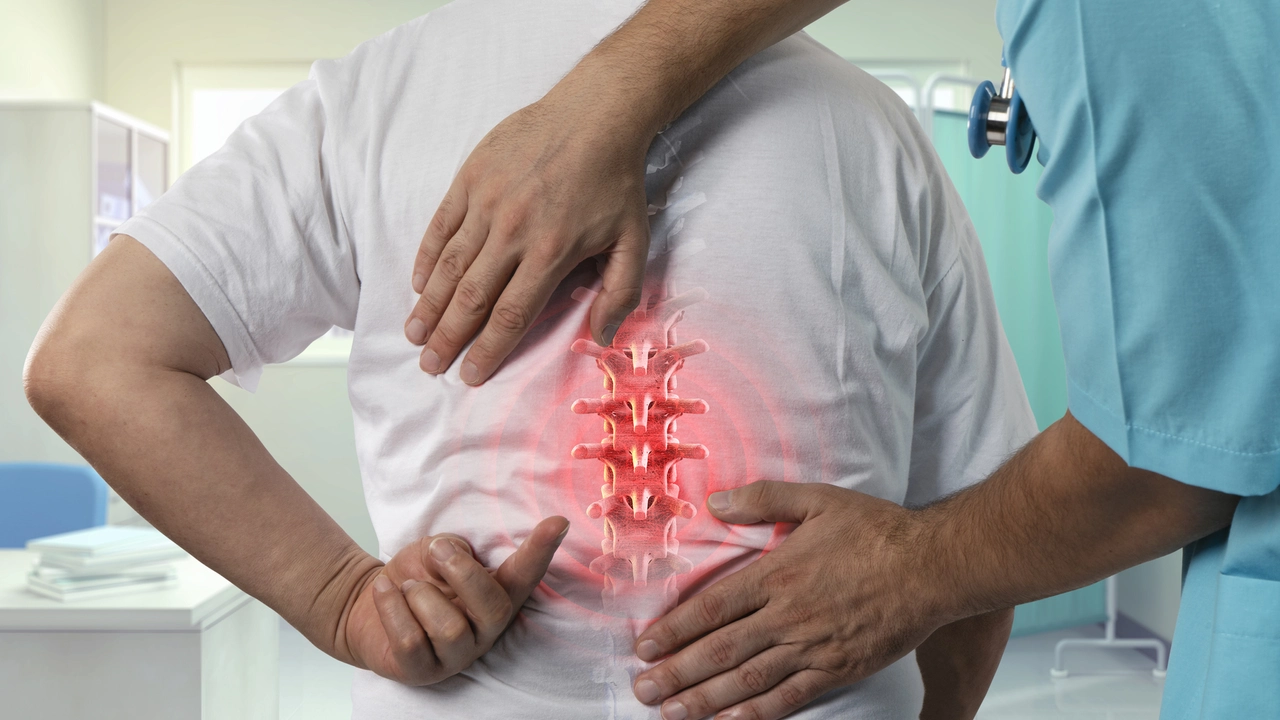
How to Treat Backache Fast and Safely
Back pain hits when you least expect it – after a long drive, a bad sleep, or lifting something heavy. The good news is you don’t need a prescription for most dull aches. A mix of over‑the‑counter (OTC) meds, simple stretches, and a few lifestyle tweaks can get you moving again in no time.
OTC Pain Relievers That Actually Work
When the ache comes on, reach for an OTC painkiller you already have at home. Acetaminophen (Tylenol) is great for dull, throbbing pain and works well if you can’t take NSAIDs because of stomach issues. Just stick to the recommended dose – usually 500‑1000 mg every 4‑6 hours, max 3000 mg a day.
If inflammation is part of the problem (think stiff muscles or a pinched nerve), Naproxen (Aleve) is a solid choice. Its longer‑acting formula means you’ll often need only one or two pills a day, keeping you free from constant dosing. Take it with food to protect your stomach.
For extra flexibility, combine a low dose of acetaminophen with naproxen. This double‑hit attacks pain from two angles while staying under each drug’s safety limit. Always double‑check with a pharmacist if you’re on other meds.
Simple Moves and Home Hacks
Medication eases the pain, but movement prevents it from sticking around. Try these three quick routines:
- Cat‑Cow Stretch: On hands and knees, arch your back up (cat) then dip it down (cow). Do 10 reps, twice a day.
- Knee‑to‑Chest: Lie on your back, pull one knee to your chest, hold 20 seconds, switch sides. It loosens tight hamstrings that pull on the lower back.
- Seated Twist: Sit tall, place your right hand on your left knee, twist gently right, hold 15 seconds. Switch sides. This opens up the spine and improves mobility.
Heat and cold also help. A warm shower or a heating pad relaxes sore muscles, while a 15‑minute ice pack reduces swelling after a sudden strain.
When to Seek Professional Help
If your backache lasts more than a week, gets worse at night, or comes with numbness, it’s time to call a doctor. Those could be signs of a disc issue or nerve compression that needs imaging or physical therapy.
In the clinic, you might hear about prescription options like muscle relaxants or stronger anti‑inflammatories, but most patients find relief with the OTC combo and the stretches above.
Bottom line: you can usually manage a typical backache with acetaminophen, naproxen, a bit of movement, and smart self‑care. Keep a pain‑relief plan handy, listen to your body, and you’ll be back to your day without missing a beat.
Hi there, in my recent blog post, we'll delve into the intriguing role of inversion therapy in easing backaches. This nontraditional therapy has been gaining traction lately, and I've captured its various aspects, benefits, and nuances in my discussion. We'll probe into how hanging upside down, quite literally, could potentially alleviate your persistent back discomfort. If chronic back pain has been your unpleasant companion, exploring this alternative treatment may well be worth your time. Navigate through my article to gain some invaluable insights!
Read more