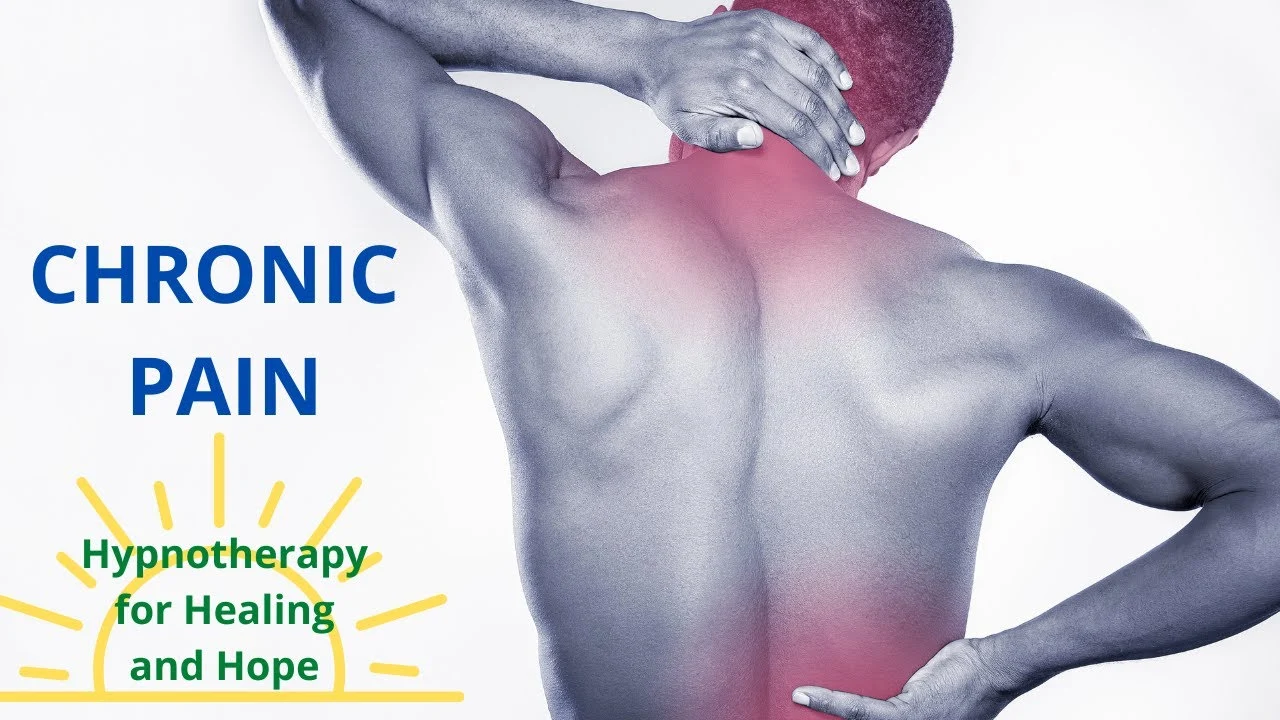
Muscle Pain Relief: Fast, Safe Ways to Soothe Sore Muscles
Got a sore muscle after a workout, a long day at the desk, or a sudden strain? You don’t need to suffer in silence. Below are simple, proven ways to calm the ache without a trip to the doctor.
Over-the-Counter Options that Actually Work
OTC painkillers are the go‑to for most people because they’re easy to find and cheap. Here’s what to reach for and how to use them safely.
Acetaminophen (Tylenol) cuts pain but does not reduce inflammation. It’s a good choice if you have stomach issues or can’t take NSAIDs. Stick to the label – usually 650 mg every 4‑6 hours, not more than 3,000 mg a day.
Naproxen (Aleve) and Ibuprofen (Advil) are both NSAIDs, so they relieve pain and the swelling that often comes with muscle strain. Naproxen lasts longer, so one 220 mg dose can cover you for about 12 hours. Ibuprofen works faster but needs a dose every 6‑8 hours. Take them with food to protect your stomach.
If you prefer a cream, look for lidocaine or diclofenac gels. They go straight to the sore spot, avoiding gut side effects altogether.
Never mix these meds without checking the label. Combining acetaminophen with NSAIDs can be safe, but double‑dosing is a common mistake. If you have liver disease, kidney issues, or are pregnant, talk to a pharmacist before starting.
Home Remedies & Lifestyle Tips
Medicine works best when you add a few practical habits.
Ice first, then heat. In the first 24‑48 hours, apply a cold pack for 15 minutes every hour. This reduces swelling and numbs the pain. After that, switch to a warm compress or a warm shower to boost blood flow and speed healing.
Gentle movement beats complete rest. Light stretching or walking keeps joints loose and prevents stiffness. Aim for 5‑10 minutes of easy activity a few times a day, but stop if the pain spikes.
Massage. A soft hand or a foam roller can break up tight fibers. Roll slowly over the sore area for 1‑2 minutes, then pause. If you have a partner, a light knead can feel surprisingly soothing.
Hydration and electrolytes. Muscles need water and minerals like magnesium and potassium. Drink enough water throughout the day and consider a banana or a small handful of nuts if you’re low on electrolytes.
Sleep. Your body repairs itself while you’re down. Aim for 7‑9 hours of quality sleep; a cool, dark room helps reduce inflammation overnight.
If the pain lasts more than a week, feels sharp like a stabbing needle, or you notice swelling that isn’t going down, it’s time to see a professional. Persistent pain could mean a tear or another injury that needs targeted treatment.
Putting these steps together—OTC pain relief, ice then heat, gentle movement, and good sleep—usually clears up most muscle aches in a few days. Keep the routine handy, and you’ll be back to your normal routine faster than you think.
As a health enthusiast and blogger, I've had my share of struggles with muscle pain and tried countless remedies. I've found Cyclobenzaprine HCL to be quite effective. In my latest blog post, I've shared a comprehensive guide on how to use Cyclobenzaprine HCL safely to achieve maximum muscle pain relief. We'll be talking about it's benefits, side effects, dosage and everything in between. It's my hope that this information will be beneficial to someone else dealing with muscle pain.
Read more