Inversion Therapy: How It Works, Benefits, and Safety Tips
Ever wonder why athletes and physiotherapists talk about hanging upside down? That’s inversion therapy – a simple way to let gravity do the heavy lifting for your spine. By flipping onto an inversion table, you can stretch the discs, improve circulation, and ease that stubborn back ache without pills or pricey treatments.
What is Inversion Therapy?
Inversion therapy uses a table that tilts you anywhere from a gentle 20 degrees to a full 90‑degree upside‑down position. When you’re inverted, gravity pulls your spine apart, reducing pressure on the discs and joints. The idea is similar to a yoga forward bend, but the table lets you stay in that position longer and more comfortably. Most tables have straps, a secure footplate, and an easy‑to‑adjust angle knob, so you can find a sweet spot without feeling nervous.
Key Benefits and Who Might Try It
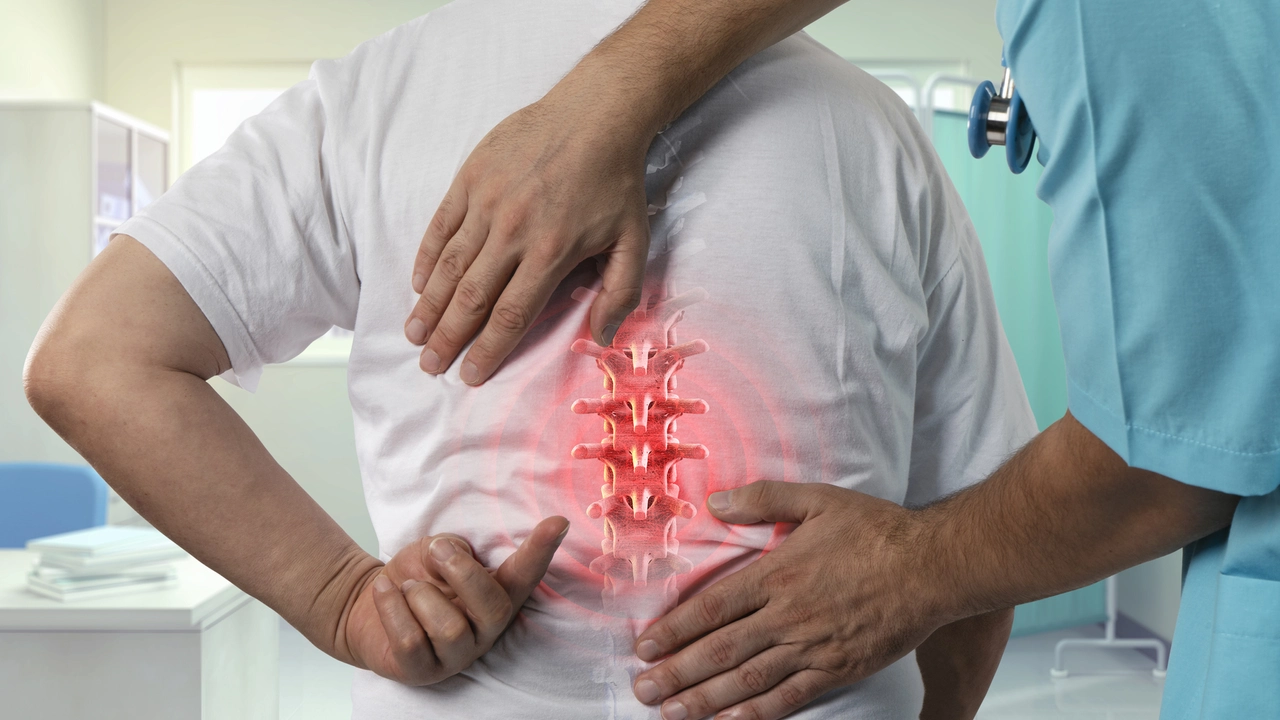
Back pain is the most common reason people try inversion. The decompression can relieve pinched nerves, loosen tight muscles, and improve posture over time. Besides pain relief, many users notice better blood flow, which helps with recovery after workouts. Athletes use it for faster muscle repair, while desk‑bound workers find it a quick way to counteract hours of sitting. If you’re dealing with mild to moderate back issues, occasional inversions might be worth a shot.
Safety comes first. Start with a low angle – around 20‑30 degrees – and stay for just 1‑2 minutes. Your body needs time to adjust to the feeling of being upside down. Gradually increase the angle and duration as you get comfortable, but most experts recommend no more than 5‑10 minutes per session. If you feel dizzy, headache, or any sharp pain, stop immediately and sit up slowly.
There are a few red flags to watch out for. People with high blood pressure, glaucoma, heart disease, or recent surgeries should talk to a doctor before inverting. Pregnant women and anyone with a history of blood clots should also skip this practice unless cleared medically.
When you’re ready to buy an inversion table, look for a sturdy frame, a weight capacity that exceeds your body weight, and a comfortable ankle lock. A table with a safety lock on the tilt mechanism can prevent accidental drops. Reading customer reviews and checking for a warranty can save you from cheap, unstable models.
To get the most out of each session, pair inversion with deep breathing. Inhale slowly, hold for a couple of seconds, then exhale fully. This helps relax muscles and enhances the stretch. After you’re done, spend a few minutes doing gentle stretches on the floor to lock in the benefits.
In short, inversion therapy is a low‑cost, low‑tech tool that can give your spine a break from daily pressure. Start slow, follow safety guidelines, and you may find a new way to keep back pain at bay. Want more tips on staying pain‑free? Browse our other articles on posture, ergonomic workspaces, and natural supplements for spinal health.
Hi there, in my recent blog post, we'll delve into the intriguing role of inversion therapy in easing backaches. This nontraditional therapy has been gaining traction lately, and I've captured its various aspects, benefits, and nuances in my discussion. We'll probe into how hanging upside down, quite literally, could potentially alleviate your persistent back discomfort. If chronic back pain has been your unpleasant companion, exploring this alternative treatment may well be worth your time. Navigate through my article to gain some invaluable insights!
Read more